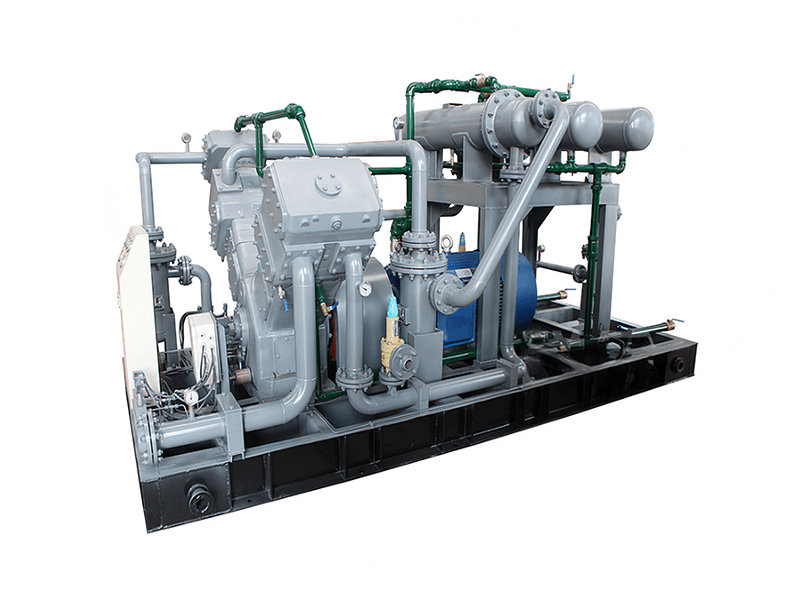
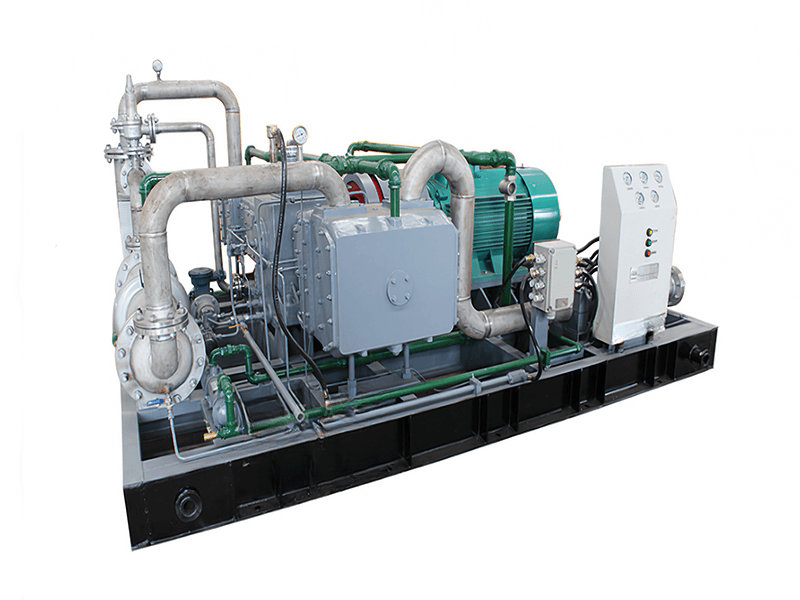
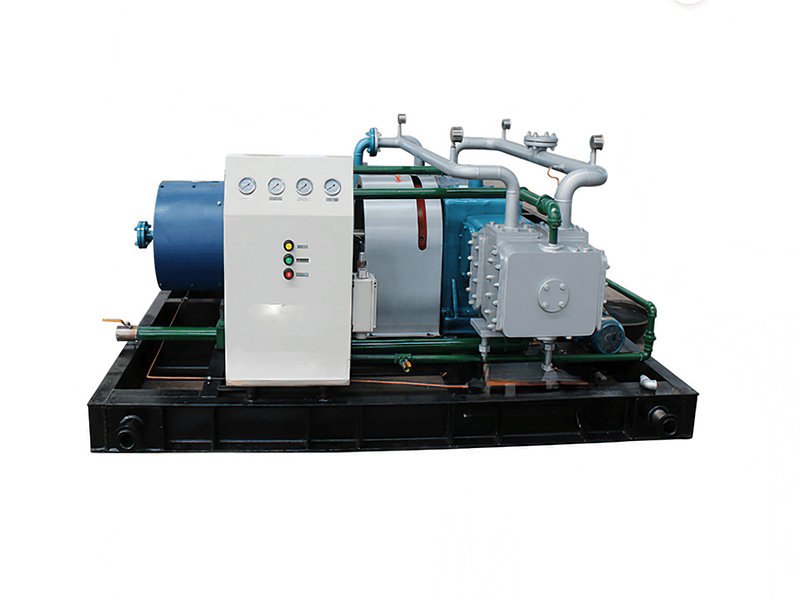
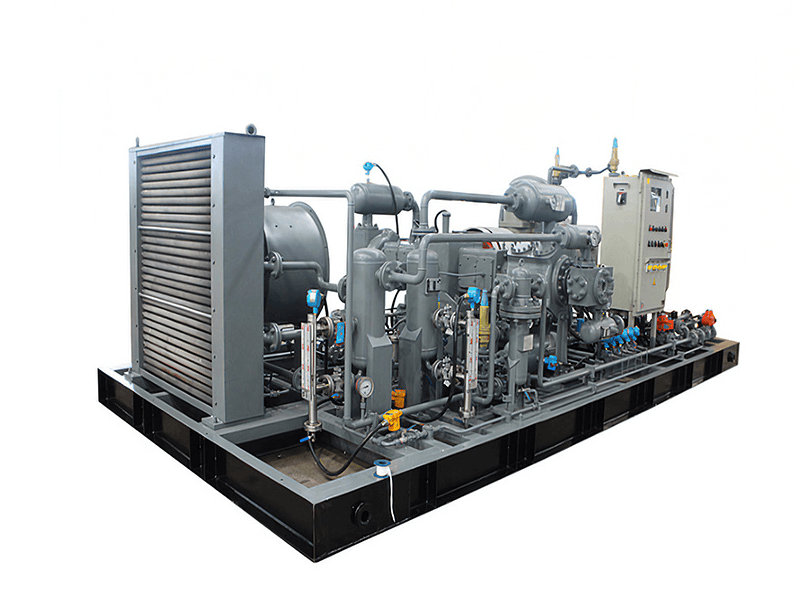
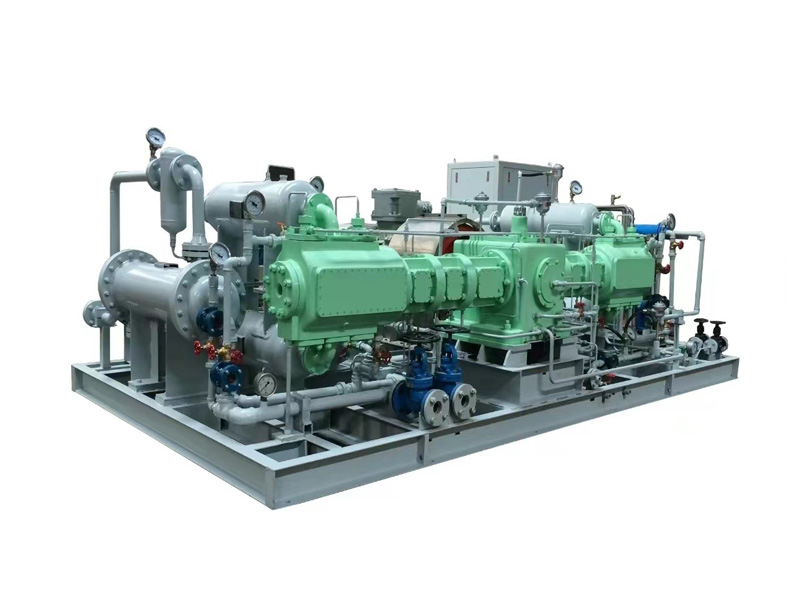
On the grand journey toward global “carbon neutrality,” hydrogen energy—particularly “green hydrogen” powered by renewable energy—is widely recognized as a key vector for deep decarbonization. As a core piece of equipment that determines storage‑transport efficiency and cost in the hydrogen industry chain, hydrogen compression technology stands at the threshold of a profound transformation. Its future development will closely revolve around three central themes: leaps in energy efficiency, integration of intelligence, and deep coupling with green‑hydrogen systems. It aims to overcome current cost barriers, continuously open up new application frontiers, and ultimately serve a zero‑carbon energy future.
I. Technical Direction: Pushing Efficiency toward Physical Limits, Leveraging Digital Intelligence for Performance
Future hydrogen compression technology is evolving from traditional mechanical optimization toward interdisciplinary breakthroughs in principle and digital transformation.

Thermodynamic Innovation: Liquid‑Piston Compressors
Conventional piston or diaphragm compressors generate significant “adiabatic heating” during compression, dissipating large amounts of energy as heat. Represented by technologies such as ClimaHtech from the UK‑based CATAGEN, liquid‑piston compressors use an incompressible fluid (e.g., water or a specialized medium) as the piston medium to achieve a near‑isothermal compression process. Owing to the high heat capacity of the fluid, the heat of compression is absorbed in real time by the medium and can be efficiently removed via an external cooling circuit, substantially reducing the indicated work required. Verified data indicate that this technology can achieve up to about 28% energy savings compared to traditional reciprocating compressors, opening a new path to lower the comprehensive energy consumption (kWh/kg) of hydrogen production.
Evolution in Operation & Maintenance: Intelligent Integration and Predictive Maintenance
Improving hardware performance alone is no longer the sole focus; achieving optimum lifecycle cost through digitalization has become the new competitive high ground. For example, integrated cloud platforms introduced by domestic companies such as Xinran Compressor deploy high‑precision sensors on key compressor components to monitor hundreds of parameters in real time—vibration, temperature, pressure, valve status, seal integrity, and more. Using big‑data analytics and machine‑learning algorithms, these platforms not only provide early fault warnings but also enable predictive maintenance, accurately scheduling service intervals and spare‑part replacement to minimize unplanned downtime. Practical experience shows that such intelligent solutions can help users reduce overall maintenance costs by approximately 60% while significantly improving equipment availability and safety.
II. Green‑Hydrogen Adaptation: System‑Level Optimization through Synergy with Electrolyzers
As the cost of wind and solar power continues to fall, producing green hydrogen via PEM (proton exchange membrane) water electrolysis is becoming mainstream. Future hydrogen compression technology will no longer be an isolated unit operating independently of the electrolyzer; it is evolving into an integrated, synergistic system solution.
To match the characteristics of PEM electrolyzers—which deliver hydrogen at relatively low pressure (typically 1.5–3.0 MPa) with flow rates that fluctuate with renewable power output—new‑generation compressors are being designed with these features in mind. Through mechatronic integrated control, the compressor’s intake pressure and speed can respond intelligently to real‑time hydrogen‑production variations, ensuring the system always operates steadily within its high‑efficiency range. More forward‑looking efforts explore thermal integration of the compressor with the electrolyzer’s cooling and water‑circulation systems, recovering and utilizing both compression heat and electrolyzer waste heat to raise the overall system efficiency of the green‑hydrogen production plant. This shift in mindset from “equipment supply” to “system integration” is a key element in reducing the levelized cost of green hydrogen (LCOH).
III. Outlook: Dual Drivers of Cost Reduction and Application Expansion
Technological innovation will ultimately be tested in the market and will catalyze new business landscapes. Advances in hydrogen compression technology are propelling the hydrogen economy from both the supply and demand sides.
Cost Reduction: Vehicle‑Use Hydrogen Entering a Competitive Price Range
As a core energy‑consuming component and a major capital‑cost item in hydrogen refueling stations, improvements in compressor efficiency and reliability directly drive down end‑user hydrogen prices. Combined with rising electrolyzer efficiency, declining renewable electricity prices, and economies of scale, the industry widely forecasts that by 2030 the retail price of green hydrogen for vehicles in China could fall below ¥25 per kilogram. At this price point, fuel‑cell commercial vehicles would become competitive with diesel vehicles in terms of total cost of ownership (TCO), thereby opening the door to large‑scale commercialization of hydrogen fuel‑cell vehicles.
Application Expansion: Taking to the Skies and Entering Precision Manufacturing
Beyond the transportation sector, hydrogen compression technology is unlocking broader applications.
Aviation: Liquid hydrogen is regarded as one of the ultimate solutions for decarbonizing long‑haul aviation. Compressing gaseous hydrogen and pre‑cooling it to cryogenic temperatures is a critical upstream step in an efficient liquefaction process. High‑flow, ultra‑reliable compression technology that meets aviation‑grade standards will be an indispensable cornerstone of the future green aviation energy supply chain.
Electronics Manufacturing: High‑end manufacturing industries such as semiconductors and flat‑panel displays require large quantities of ultra‑high‑purity hydrogen (e.g., ≥99.99999%) as a process gas. Electrochemical compressors or oil‑free mechanical compressors can deliver a contamination‑free, pulse‑free stable high‑pressure hydrogen supply. Their extreme cleanliness and precise control characteristics precisely meet the stringent gas‑quality demands of the electronics industry, pointing to substantial market potential.
Conclusion
From laboratory breakthroughs to production‑line optimization and further to intelligent synergy with renewable‑energy systems, the innovative landscape of hydrogen compression technology is fully unfolding. This is not merely the evolution of a single device; it is the story of how extreme engineering and digital intelligence are advancing solutions to deliver green energy efficiently, economically, and safely to every end application. As technology continues to advance and costs keep declining, Hydrogen Compressors will become the robust and reliable “power heart” of the zero‑carbon vision, driving all sectors of industry toward a deeply decarbonized future.